Freight and Logistics Debt Collection in Oregon
Oregon freight and logistics debt collection: prepare unpaid freight bills, rate confirmations, proof of delivery, and detention records for review.
Quick answer: Atlas Financial Services helps freight carriers, courier companies, delivery services, logistics providers, warehousing companies, and transportation brokers pursue freight bills, delivery charges, accessorial fees, storage fees, detention fees, unpaid invoices, failed payments, and logistics service balances through a professional collection process. Atlas works as a partner in accounts receivable management, helping businesses organize placed accounts, communicate clearly, and improve recovery opportunities while internal staff stay focused on current customers and operations.
Transportation and logistics companies operate on tight timing. Drivers, fuel, dispatch, warehouse space, insurance, equipment, and carrier partners all cost money before a customer pays. When freight bills or delivery charges go unpaid, the balance can become a direct drag on cash flow.
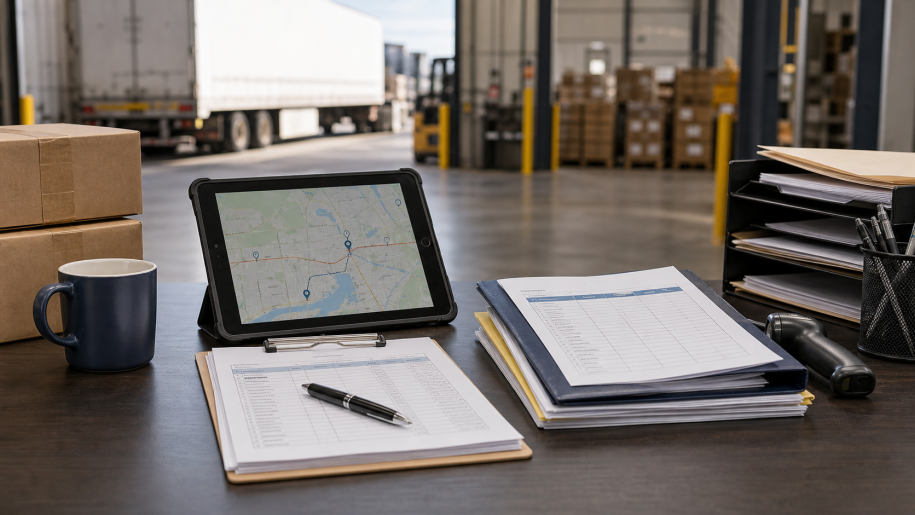
Transportation logistics debt collection file checklist
Freight and delivery disputes often turn on rate confirmations, proof of delivery, accessorial approvals, and a ledger that separates line-haul charges from storage or detention fees.
What if a freight invoice includes disputed detention charges?
Separate line-haul charges from detention, storage, and other accessorials. Include the rate confirmation, arrival and departure records, approvals, and the customer’s objection. Do not combine unsupported add-ons with an otherwise documented transportation charge.
Who should be identified in a freight collection file?
Identify the contracting shipper, broker, carrier, and billed legal entity, plus the agreement describing payment responsibility. Include proof of delivery and correspondence about shortages, damage, or invoice deductions. A delivery destination alone does not establish responsibility for payment.
- Signed carrier, broker, shipper, or customer agreement and applicable rate confirmation
- Bills of lading, proof of delivery, load records, and accessorial authorizations
- Invoices, statements, credits, payments, storage charges, and detention calculations
- Dispatch, delivery, damage, shortage, and billing-dispute communications
Related Atlas resources: commercial collection support and account review and placement support.
Why Transportation & Logistics accounts become difficult to collect
For transportation & logistics businesses, the account may include several moving parts. There may be deposits, credits, partial payments, adjustments, service notes, disputed line items, returned payments, and multiple contacts. Staff may remember the customer, but memory is not enough for recovery. The account needs a file that explains what is owed, why it is owed, and what happened before placement.
Common balances Atlas can help review
Atlas Financial Services can help review freight bills, delivery charges, accessorial fees, storage fees, detention fees, unpaid invoices, failed payments, and logistics service balances. The exact account type matters because the documentation, customer history, and communication strategy may change from one balance to another.
When to send an account to collections
These accounts are often ready for placement after the shipment, delivery, storage, detention, accessorial, or service records are organized. If the balance involves a broker, shipper, consignee, or third-party billing contact, the file should clearly identify who agreed to pay and why.
Compliance-minded debt collection
Account-readiness and compliance note: Tie the rate confirmation, bill of lading, proof of delivery, accessorial approvals, detention or storage records, invoices, and short-pay history to the responsible broker, shipper, consignee, or customer. Keep cargo claims separate from the unpaid freight balance.
Atlas reviews account type, documentation, disputes, and applicable requirements before recommending a recovery path. This information is general and is not legal advice.
How Atlas helps Transportation & Logistics businesses
Atlas helps transportation and logistics businesses move unpaid freight and service balances into a documented recovery process. Your dispatch, billing, and operations teams can stay focused on moving freight while Atlas works the accounts that have stalled.
Work with Atlas Financial Services
If your transportation & logistics business is spending too much time chasing past-due balances, Atlas Financial Services can help. Atlas provides professional debt collection services for Oregon businesses and businesses in Vancouver, Washington that need a better process for accounts receivable recovery.
Oregon account review and next steps
Oregon carriers serving customers across state lines should identify the contracting parties and shipment records before choosing a recovery route.
Atlas serves Oregon businesses from its Vancouver, Washington office. See our Oregon collection services for service-area and placement information, or review B2B invoice and delivery documentation for a related account type or decision.
Sources
- CFPB Regulation F debt collection rule
- FTC debt collection FAQs
- Oregon Division of Financial Regulation: collections and repossession help
- Washington Department of Licensing: consumer rights and collection agencies
Ready to review your receivables?
Discuss transportation and logistics accounts with Atlas
Share the account types, documentation, age, and placement goals your organization is working with. Atlas can explain the review process and practical next steps.
Prefer to call? 564-208-4838